
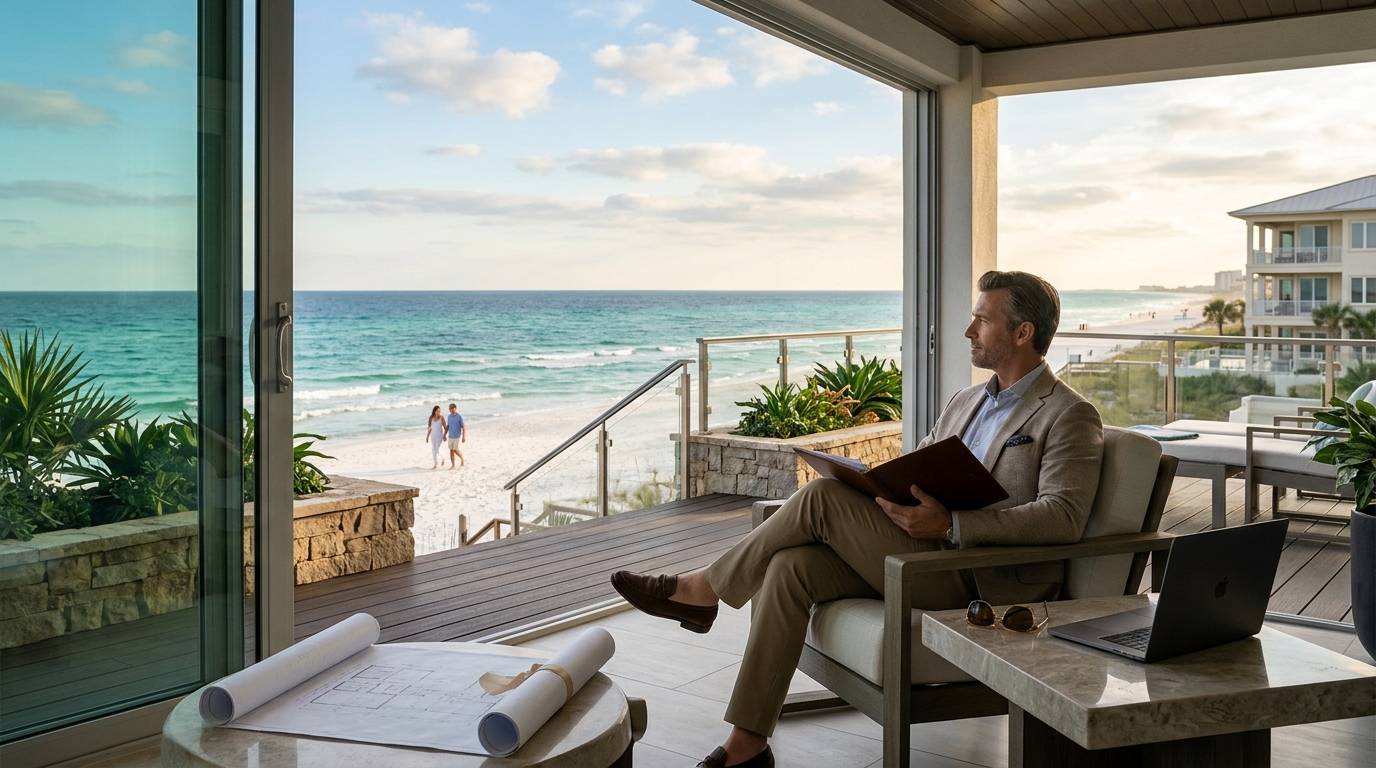
What Second-Home Buyers Should Know Before Buying a Luxury Beachfront Home
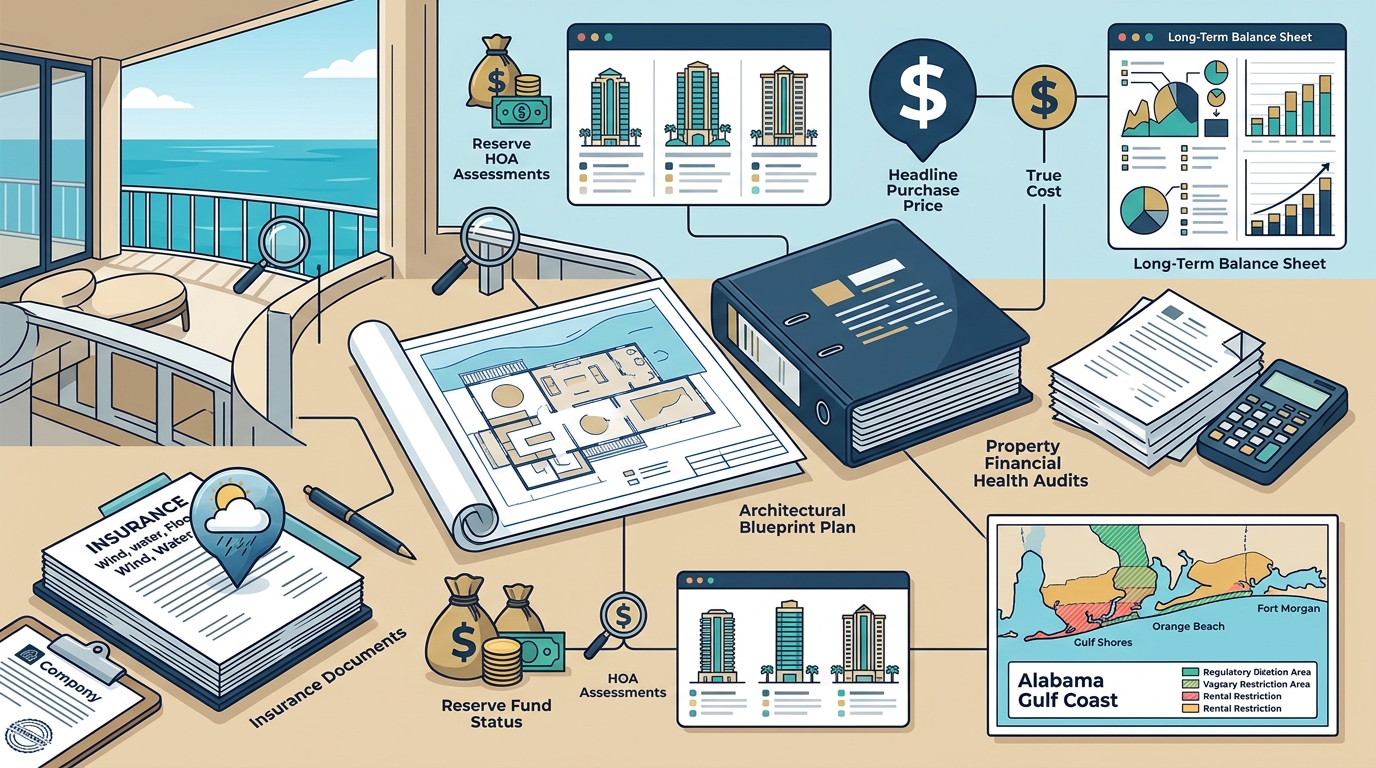
Before purchasing a luxury beachfront home, buyers must audit the building's financial health, verify insurance coverage, and understand local rental regulations. Gulf Coast Investment Property emphasizes that the purchase price is only the headline number; the true cost lies in the balance sheet of the asset. This guide outlines the critical due diligence steps required to protect your capital in the Alabama Gulf Coast market. according to Florida s Top
The Financial Audit: HOA Reserves and Special Assessments
Condominium ownership is a shared financial commitment. A special assessment is an unexpected, one-time charge levied by a homeowners association to cover major repairs or underfunded reserves. Many buyers focus on the monthly fee but ignore the reserve study, which dictates the building's long-term financial stability. If a building is underfunded, owners may face five or six-figure bills after closing.
Buyers should request the last three years of financial statements and the current reserve study. A healthy reserve fund indicates that the association is saving for future capital expenditures, such as roof replacements or elevator modernization. In the Gulf Coast market, where wind and salt exposure accelerate wear and tear, this audit is non-negotiable. Gulf-front condo buyers should verify that the association has a clear capital plan and adequate insurance coverage before writing an offer.
Insurance Complexity: Windstorm and Flood Zones
Coastal properties face unique environmental risks that standard inland insurance policies do not cover. Windstorm insurance is a specialized policy that protects against damage from high winds, which is a primary risk in the Gulf of Mexico. Buyers must understand the distinction between the master policy (covering the building structure) and their individual HO-6 policy (covering the interior and personal property).
Insurance premiums in the Gulf Coast have risen due to increased hurricane activity and construction costs. Buyers should obtain quotes for both the master policy and their individual coverage before closing. It is also critical to verify the building's elevation and construction materials, as these factors directly influence premium costs. A trusted local insurance partner can help clarify what is covered and what requires additional riders, ensuring there are no gaps in protection during a storm event.
Rental Restrictions and Zoning Compliance
Not every luxury beachfront home allows short-term rentals. Short-term rental (STR) restrictions are rules imposed by local municipalities or homeowners associations that limit the number of nights a property can be rented to non-residents. These regulations vary significantly between Gulf Shores, Orange Beach, and Fort Morgan. Some buildings prohibit STRs entirely, while others require specific licenses or minimum stay periods.
Before purchasing, buyers must confirm the specific rental rules for the property and the local jurisdiction. If the goal is to generate income, the property must be legally eligible for STR use. Additionally, buyers should review the property management requirements, as some associations mandate the use of in-house management companies. Understanding these constraints early prevents costly legal issues and ensures the investment aligns with your financial goals. The local community guides provide insights into the specific regulations governing each coastal area.
Structural Integrity and Coastal Durability
Luxury beachfront homes are exposed to salt air, high humidity, and storm surges, which can degrade structural components over time. Coastal durability refers to the ability of a building's materials and design to withstand these harsh environmental conditions without significant deterioration. Buyers should look for reinforced concrete construction, elevated foundations, and impact-resistant windows, which are standard in newer developments but may be missing in older properties.
A professional inspection is essential to assess the condition of the building's envelope, including the roof, balconies, and exterior walls. Inspectors should specifically check for signs of corrosion, water intrusion, and structural stress. In high-rise condominiums, the condition of the elevators and parking structures is also critical, as these are expensive to repair. Investing in a thorough inspection protects your equity and ensures the property is built to last in a challenging coastal environment.
Market Positioning and Long-Term Value
The value of a luxury beachfront home is driven by scarcity, location, and market demand. Market positioning is the strategic placement of a property within the local real estate landscape, considering factors such as proximity to amenities, view quality, and building reputation. Properties in high-demand areas like Orange Beach often command premium prices due to their upscale lifestyle and strong rental performance. according to 10 Best U
Buyers should analyze recent sales data and market trends to understand the property's position relative to comparable assets. A well-positioned property is likely to retain its value and attract a broader pool of potential buyers in the future. The investment opportunities available in the region reflect the strong demand for premium coastal assets. By focusing on properties with strong market positioning, buyers can secure a long-term asset that balances lifestyle enjoyment with financial stability. according to 10 Best U
Key Takeaways
- Audit the HOA reserve study and financial statements to avoid unexpected special assessments.
- Verify windstorm and flood insurance coverage to understand the true cost of ownership.
- Confirm local short-term rental regulations and building-specific restrictions before purchasing.
- Invest in a professional inspection to assess structural integrity and coastal durability.
- Focus on market positioning and scarcity to ensure long-term value retention.
- Consult with local experts to navigate the complexities of the Gulf Coast real estate market. according to Florida s Top
Frequently Asked Questions
What is a special assessment in a condominium?
A special assessment is a one-time charge levied by a homeowners association to cover major repairs or underfunded reserves that are not covered by the regular monthly fees.
How do I verify if a beachfront home allows short-term rentals?
You should review the building's bylaws and consult with local municipal authorities to confirm the specific short-term rental regulations and licensing requirements for the property.
What is the difference between a master policy and an HO-6 policy?
A master policy covers the building's common elements and structure, while an HO-6 policy covers the interior of the unit and the owner's personal property.
Why is structural integrity important for beachfront homes?
Structural integrity is critical because coastal properties are exposed to salt air, humidity, and storms, which can accelerate wear and tear on building materials.
How does market positioning affect property value?
Market positioning refers to the property's strategic placement within the local market, considering factors like location, amenities, and reputation, which directly influence its long-term value and resale potential.
Next Steps for Your Coastal Acquisition
Purchasing a luxury beachfront home requires a disciplined approach to due diligence. By auditing the financials, verifying insurance, and understanding local regulations, you can protect your investment and secure a premium asset. Contact Gulf Coast Investment Property to schedule a strategy call and begin your acquisition with confidence.